


0117 929 2104


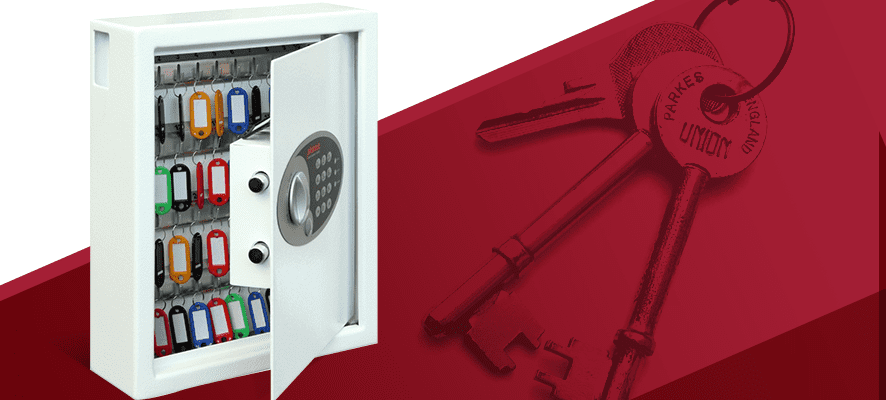
Proper key management is crucial in every professional setting, specifically businesses handling large quantities of keys on-site. Whether you're a facilities manager struggling to keep track of 100s of keys, or an automotive inventory manager, effective key storage is an important part of the job.
Whatever the type of organisation, key personnel as well as some cleaning staff and security staff, may need access to a bunch of keys so that they can perform their daily duties. But where should these bunches of keys be kept to ensure that they are not stolen, copied or lost?
A common solution is to store such keys in an on-site key cabinet with tamper-proof locks and tough, steel construction.
The Importance of Key Management in the Workplace
According to recent key security data, digital key management systems can reduce downtime caused by misplaced keys by at least 31%, while 47% of organisations now claim that audit compliance is a huge influencer to introducing electronic key control cabinets.
There are many instances in the workplace where keys must be kept under lock and key, safeguarded from unauthorised personnel, particularly when keys unlock assets, high-risk spaces and commercial premises. Implementing a reliable key management system is even more crucial in large-scale operations, where multiple people use bunches of keys on a daily basis.
Investing in centralised key storage allows your business to control and monitor access at all times. Specialist audit control key cabinets make conducting key audits and key inventory records simple. These cabinets keep retrieval and return logs, allowing the master code user to download the data for full visibility of usage.
The right storage in place means:
- Saving time when it comes to locating keys
- Keeping every key in one place reduces the risk of losing them
- Securing keys minimises any chances of duplicate keys being cut
- Keys remain tracked at all times, so you're always aware of their whereabouts
How to Store Key Sets & Fobs Safely
Many businesses are stuck in their ways when it comes to storing keys, often leaving them in unlocked drawers or placed on wall hooks. As security measures tighten, key collections grow and more staff require access, informal methods quickly become hard to manage and become more susceptible to compromise.
Specialist Cabinets & Safes
The most secure place to store keys in a commercial or industrial setting is within a quality key safe or cabinet. Every sector handling high volumes of keys needs a robust system in place for smooth operations and audit compliance. Car key cabinets make it quicker to hand over vehicles, property management key cabinets keep keys organised for estate agents to locate them easily.
Safe Options have specialised in key storage for over twenty years, and we have a wide range of solutions for storing bunches of keys, with wall-fixed key cabinets storing from 15 to 100 key bunches, and floor-standing key cabinets to store 300, 400 or 500 key bunches.
Clear Labelling
The type of key storage unit or cabinet you use is just as important as clear identification. Many high security key safes include colour-coded tags and numbered hooks to allow your staff to quickly identify the key they need.
Clear labelling coupled with key identification records (whether physical or digital) helps keep track of allocation, usage and supports accountability.
Implement a Key Handling Process
Once you've invested in effective key storage, businesses should look to roll out a key handling process or policy. Provide clear instructions on accessing keys, how to sign in and out, and assign responsibility to the applicable staff to create a smooth, structured process.
Need Help Finding The Right Key Storage? Get in Touch
Contact Safe Options today for our recommendations on the best secure key cabinet for your organisational needs and budget. We look forward to being of service!

